Thursday, July 9, 2026
Windows 10 Gets Another Year of Support to October 2027
Monday, November 3, 2025
Commentary: A.I. Art - Is It Stealing Your Art?
Monday, October 20, 2025
Making The Upgrade to Windows 11
Monday, February 24, 2025
EOTB: Linden Lab Enters Paid Members in Computer Giveaway
548 Market St., PMB 59201, San Francisco, CA 94104-5401, USA
Friday, November 8, 2024
"General Protection Fault" Online Comic Ends After 26 Years
And so ends one of the longest-running online comics, coming to an end some thought odd but was satisfying.
Friday, July 26, 2024
July 19 Tech Outage Could Cost Over Five Billion Dollars
Friday, July 12, 2024
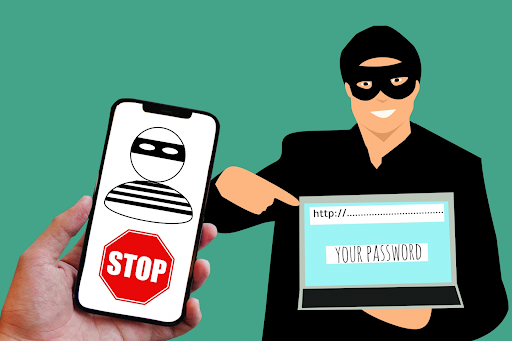
Sneaky Discord Scam
Monday, July 25, 2022
How to Prevent And Deal With Doxing
After some time away to take care of matters, Angel Fencer is back. Sadly, one of the matters she had to deal with was being doxed and harrassed online. In her article today, she talks about her experience with the issue, and what to do about it should it happen to you.
Read Angel's story in Extra.
Friday, June 24, 2022
Nvidia Card Graphics Issues
When it comes to graphics cards, NVIDIA is one of two brands Linden Lab recommends your computer uses. But lately, it seems the latest driver programing is causing glitches and problems.
The solution, at least until the bug is fixed, is to "roll back the driver or use the Nvidia Studio Drivers instead." Or one can turn off Advanced Lighting.
This is not the only issue. The wiki also reported recent updates on Nvidia, "including driver version 381.65," may stop Firestorm from starting up, "The crash is reported to occur on the “Detecting Hardware' step."
Another issue is with 378.49 Nvidia drivers is there may be a blue tint on 64-bit viewers when Advanced Lighting is turned off.
Team Firestorm filed about the issue with Nvidia (here).
To read more about the issue, check out the page on Firestorm's Wiki, or this article on Modem World.
Image from Inara Pey
Bixyl Shuftan
Friday, May 21, 2021
Announcement: This Saturday at The Science Circle - "Understanding Science: How Computers Work"
10 to 11 AM
The last two presentations in this series explored particle physics, the world of the very small, and our solar system, the much larger space that surrounds our more familiar world. In this episode we will explore one area of how science is applied to create technology by examining how the very small, and relatively simple, world of computer electronics is employed to create the more familiar and complex worlds we represent on devices we can carry around with us.
First, we will briefly look at how transistors, the components that create the ‘1s and 0s’ used to store and transmit everything, are made so small that billions can fit into the chips that form the ‘brains’ and ‘memory’ of every computer.
Then we will step through how transistors and other circuitry work together to create the logic of an electronic calculator.
Finally, we will step through how the processor, the ‘brain’ behind operations, works with memory and peripheral units to process a computer program (commonly called an application or app) that instructs your computer to do all the wondrous things we do with them these days.
Presentation by Dr. Phil Youngblood
For more information, Click Here.
http://maps.secondlife.com/secondlife/The%20Science%20Circle/67/129/32
Friday, October 9, 2020
Announcement: This Saturday at The Science Circle - "Emerging Technologies – The Future is Here!"
"Emerging Technologies - The Future is Here!"
Saturday October 10
10 AM to 11 AM SL time
A presentation by Phil Youngblood, PhD.
Every technology, from fire and the wheel long ago, to quantum computers and companion robots today, is at some point an “emerging technology,” that is, an application of science well beyond ‘concept’ or experimental stage, something that is very real but is not mainstream yet. Emerging technologies may only be known by those who follow the field closely or may be known more widely, but most people have not yet experienced them firsthand… but soon will!
What are the emerging technologies of the 2020’s? Join me as we examine eight interrelated technologies that will shape your world in the next decade:
— 5G communications
— artificial intelligence (new applications)
— 3D printing (new applications)
— brain machine interface
— immersive spaces (like SL)
— augmented/virtual reality
— autonomous transport
— robotics
For more information, Click Here.
https://maps.secondlife.com/secondlife/The%20Science%20Circle/114/206/30
Wednesday, August 19, 2020
Chrome is Becoming a Real OS
If you have a PC, and are looking for something lighter you can take on the go, a laptop may be your first thought. If your budget's small, you may be considering an android tablet. But there's another option: a Chromebook. What's a Chromebook? Cyfir (Cyfiremmerich) recently got one after looking into what portable machine to get. So was he statisfied?
Read Cyfir's article in Extra.
Friday, January 10, 2020
Windows 7 Approaching "End of Life"
Next week marks the end of a chapter for users of PCs. On Tuesday January 14, Microsoft will no longer support the use of Windows 7. On Thursday, Linden Lab had a reminder that for anyone who hadn't upgraded their operating system, time was running out. They would also be changing the system requirements to run Second Life.
Microsoft is discontinuing support for Windows 7 on January 14th. This means that it will no longer get updates, including security patches. Therefore, running Windows 7 will become increasingly insecure as new vulnerabilities are discovered and not patched.
Accordingly, Linden Lab is updating our system requirements to remove Windows 7 from the versions we support. This does not mean that Second Life will stop working on Windows 7 immediately; existing viewers, and possibly some new viewers, should run as well as they did before. However, we will not be testing any viewers on Windows 7, so it is likely that compatibility problems will develop and increase over time. In addition, we will not attempt to fix any problems which occur only on unsupported operating systems (if a bug is reported against an unsupported system, we usually try to reproduce it on one that is supported; if we can't, we don't investigate further or attempt to fix it).
In order to keep your Second Life experience as reliable and secure as possible, we strongly recommend using only supported versions and keeping them updated with the latest vendor patches.
Windows 7 has been among the more popular versions of Windows, to the point many kept on using it after 8 and 10 came out. Windows 10 has had some problems in it's first few years. But ready or not, the old OS is going away, and the alternatives to upgrading to 10 are few and not for everyone.
image source: Imagit
Friday, February 22, 2019
Announcement: This Week At The Science Circle : Cyber Security
"Cyber Security"
Saturday February 23 at 10 AM PST
Anyone who is interested in his security on the internet will soon come across worrying reports about phishing e-mails, cybercrime, industrial espionage, governments stealing each other’s data and cyber-terrorism. Closer to home, data mining affects us via Facebook, Google and Microsoft.
What started as a free sharing of data has gradually turned into an unsafe, lawless space where everyone is a target for malicious parties.
More information Harvard Cybersecurity Wiki
The Science Circle (61/127/32)
Monday, October 8, 2018
Windows 10 October Update Postponed Due To File-Deleting Bug
Windows 10 has had a number of problems since it's release by Microsoft. Last month, it was "warning" users not to use more popular web browsers and use Microsoft's own. But this time there's a more serious problem. On October 2, the "Windows 10 October 2018 Update" was released for Windows 10 insider testers and anyone else whom wanted to go ahead with the update. Soon after, some people were finding important files deleted, including music recordings and pictures. One user posted on the Microsoft forums, "it deleted all my files of 23 years in amount of 220gb. This is unbelievable, I have been using Microsoft products since 1995 and nothing like that ever happened to me." Fortunately, he had backed up his files a couple months earlier, but more recent ones were still gone.Those whom had already updated were urged to migrate documents in their user directory, and those Windows 10 users whom hadn't to temporarily disable updates. Eventually, Microsoft suspended the update due to the reports of deleted files.
If you use Windows 10, and you're not sure if your computer installed the update, "To check if your system downloaded and installed the update, click the Windows / Start key and then type 'View Installed Update History.' Click that result and then check the last version that was installed. If it wasn't 1809, you should be safe."
Sources: ZDNet, Forbes, Microsoft.com
Bixyl Shuftan
Thursday, September 20, 2018
Windows 10 "Warning" Users Not To Use Firefox, Chrome, Pushes Edge Browser
By Bixyl Shuftan
While PC users have been frequently using Microsoft's Windows 10, most pass up it's web browser, Microsoft Edge, in favor of the popular Firefox and Chrome. It's used less than Apple Safari, which is limited to the much smaller Apple computer market. Microsoft's old browser Internet Explorer has gotten a reputation for being slow and buggy, so besides people being used to the more familiar browsers, they may be a little too wary of the old "E"'s problems to try the new one. But rather than try an advertising campaign to convince people to use their browser, it seems Microsoft has instead decided to take advantage of it's operating system to push it's other product.
Lately when Windows 10 users try to download Firefox or Chrome, their installation is interrupted by a popup reminding the user they already have Microsoft Edge, "the safer, faster browser for Windows 10." While Edge may be a fast browser, this popup is not only annoying and frustrating, but it may confuse some less than experienced computer users into thinking the more popular browsers are unsafe.
This isn't the only time Microsoft has been pushy with computer users about choices of browsers. Last year, it's debut of Windows 10 S would not allow users to instal other browsers on laptops.
Microsoft's move isn't just annoying computer owners, but also people in online computer magazines. Matthew Humphries of PC Magazine was polite, "Microsoft, please don't do this. Focus on making your software better, prove to us that it is, and market it as such. You already have the advantage of Windows 10 shipping with Edge." Joel Hruska of Extreme Tech was more blunt, "You are training your end users to expect that with each new Windows release, they must spend time digging through settings to find all the things you stealthily changed and shut them off again. This kind of subterfuge encourages customers to view the update process as fundamentally adversarial, because it requires us to spend time shutting things off rather than giving them a chance to function as intended. It encourages end users to believe the worst about your company’s practices and behaviors. When Microsoft chose to make Windows 10’s upgrade advisor pushier and more aggressive, it didn’t just make people angry; it fed a narrative of distrust and deceit, priming people to believe that MS wanted them to use Windows 10 so it could collect and monetize data based on how individuals use their computers. If you ever wonder why people harbor such suspicion towards Microsoft, take a look in the mirror. It’s because you’ve taught them to. ..."
In the meantime, Windows 10 users grumble about this latest annoyance, which for some may make them wonder if it was worth upgrading from 7 or 8.
Sources, PC Magazine, Daily Mail, Extreme Tech
Bixyl Shuftan
Friday, January 12, 2018
Recent Windows Updates May Slow Down Your Computer
If you think your computer isn't running as fast as it was, you may be right. But it may not be hackers slowing it down, but measures to stop them.
On January 3, Intel and other makers of computer chips announced that two flaws had been discovered. Nicknamed "Spectre" and "Meltdown," they exposed the users of the computers with the chips to potential hacking attacks. The result has been both companies and individual computer users having to update their computer software. Unfortunately in the case of Windows updates, there are problems. The company "confirmed that some Windows 10, 8 and 7 adopters will face slower computers once the patch is installed." While brand new machines with Windows 10 shouldn't see much of a slowdown, users of older computers with Windows 10, 8 and 7 would likely see a noticeable slowdown. One article stated the slowdowns would be from 5% to 30%. For computers with AMD chips, there was an unforeseen problem. The Windows updates were making these computers unable to reboot and making them "bricks."
There's also a report that the CEO of Intel sold the maximum amount of stock he could, about $24 million dollars worth, upon finding out about the flaws.
It is unclear when there will be further updates that allow computers back to their previous speeds.
Sources: Express, Tweaktown, BGR, Telegraph, CNN, Forbes
Bixyl Shuftan
Monday, October 9, 2017
AOL Instant Messenger To Shut Down
Those of you whom have been around the days of browsing the Internet and the World Wide Web since the beginning will remember America On-Line's AOL Instant Messenger. Also known simply as AIM, it helped pioneer the days of social media, people using the Internet and being online to get in touch and chat with one another instead of simply looking up information and checking email. But like many other pioneers in technology, it became outclassed by later products. It was announced earlier this month by the VP of Communications of Oath, the company created by the merger of AOL and Yahoo, that AOL IM would be shutting down in December 2017 after 20 years of operation. If you were a 90’s kid, chances are there was a point in time when AOL Instant Messenger (AIM) was a huge part of your life. You likely remember the CD, your first screenname, your carefully curated away messages, and how you organized your buddy lists. Right now you might be reminiscing about how you had to compete for time on the home computer in order to chat with friends outside of school. You might also remember how characters throughout pop culture from “You’ve Got Mail” to “Sex and the City” used AIM to help navigate their relationships. In the late 1990’s, the world had never seen anything like it. And it captivated all of us.
AIM tapped into new digital technologies and ignited a cultural shift, but the way in which we communicate with each other has profoundly changed. As a result we’ve made the decision that we will be discontinuing AIM effective December 15, 2017. ... Thank you to all of our AIM users.
The announcement was made on Twitter and Tumbler, two newer messengers that helped displace AIM into irrelevance, and ended by promising to "continue building the next generation of iconic brands" and "provide more products and experiences."
And so, a peice of life on the early Internet is fading away into the history books.
Source: CNN
Bixyl Shuftan
Saturday, May 13, 2017
"Unprecedented" Cyberattack Hits Thousands of Computers In 99 Countries
A massive cyberattack has hit at least 75,000 computers in 99 countries in the past few days. Described as "unprecedented" in scale, the attacks have been infecting both individuals and institutions from home computers to government agencies to businesses to hospitals. In Great Britian alone, at least 48 hospitals, clinics, and other health institutions were affected. Although some surgeries were postponed, there are no reports of deaths yet related to the hacking.
Reports of the malware, called "WannaCry" began coming in on Friday. What happens io infected computers is the files are locked and a picture appears on the screen demanding $300 US dollars worth of Bitcoin within three days for the key to unlock the computer. Unlike typical malware attacks that rely on tricking computer users into opening email attachments or clicking on links, WannaCry is a worm that attacks computers through active online connections through vulnerabilities in system software. WannaCry locks up files, looks for other vulnerable computers to infect, then deletes itself. Most computer experts recommend treating the files as lost, with only the backup files on external hard drives, if any, as recoverable. It is not recommended that people pay the criminals as in past cases of ransomware, the criminals almost never provided any key to recover lost files. It is believed that the reason Bitcoin is the method of payment demanded is because it's transactions can't be traced.In an ironic twist, the worm may be based on a spyware tool created by the NSA to snoop on people's computers, designed to take advantages of vulnerabilities in Windows software that it had discovered. The program was leaked in April by computer hackers whom had discovered it. The agency will neither confirm or deny their program had anything to do with WannaCry. A lawyer for the American Civil Liberties Union called this "deeply troubling," saying the NSA should have notified Microsoft of the vulnerabilities instead of taking advantage of them, "These attacks underscore the fact that vulnerabilities will be exploited not just by our security agencies, but by hackers and criminals around the world. Patching security holes immediately, not stockpiling them, is the best way to make everyone's digital life safer." Others put the blame less on the NSA and more on institutions for being too slow to update systems, the attack happening two months after Microsoft had a patch available.
One British computer security blogger halted one strain of the malware by accident. Known as "Malware Tech," he decided to investigate the attack, and after an all-night session noticed the strain was trying to contact a specific web address every time it infected a new system. Seeing it was unregistered, he bought it for eight Pounds ($10.69 USD) to see where the attacks were happening. But in doing se, he accidentally triggered a "kill switch" for the strain. But there are still other strains of the worm out there.
A reminder that the computer world is full of dangers.
Sources: BBC, Arstechnica, Nerdgasm
Bixyl Shuftan
Monday, March 28, 2016
Microsoft Pulls Plug on Experiment In Artificial Inteligence Quickly Gone Bad
It's a theme from science fiction that happens again and again, engineers either set out to create a fully functional artificial intelligence, or they accidentally do. And it isn't long before it spirals out of control, concluding humans are a threat and begins acting against them. But could this really happen in real life? After an experimental AI was made accessible to the public, it attracted the attention of Internet trolls. Their actions turned the chatbot from a teenage personality to one spewing hateful remarks in less than a day.
Read more in Extra.


